Many public figures navigate their careers while managing personal health conditions, yet their stories often remain untold. When it comes to Noonan syndrome, a genetic disorder characterized by distinctive physical traits and potential health issues, several well-known individuals have demonstrated remarkable resilience. Their journeys highlight that a diagnosis does not define one’s potential for success. These celebrities with Noonan syndrome have excelled in various fields, from filmmaking and music to sports and advocacy, becoming role models for countless people worldwide.
This article explores the lives of famous people who have shared their experiences with Noonan syndrome, offering a look into their challenges and triumphs. Understanding their stories helps raise awareness about this condition and inspires others.
| Key Aspects Covered | Details |
| Understanding the Condition | A brief overview of Noonan syndrome, its causes, and common symptoms. |
| Famous Individuals | Spotlighting well-known figures in entertainment and other fields with the condition. |
| Overcoming Obstacles | Exploring how these individuals have managed their careers in the public eye. |
| Advocacy and Awareness | Highlighting the efforts to educate the public and support the community. |
By sharing these inspirational stories, we can appreciate the strength and determination of these individuals while fostering a greater understanding of this rare genetic condition.
What is Noonan Syndrome? A Closer Look at the Genetic Disorder
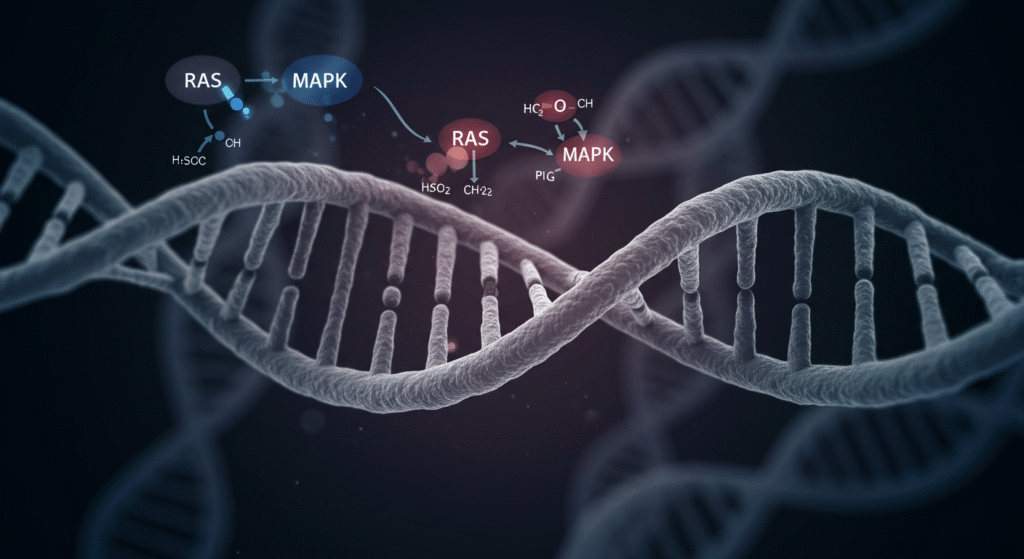
Before exploring the lives of notable figures, it is important to understand what Noonan syndrome is. It is a genetic disorder that affects development in various parts of the body. The condition is caused by a genetic mutation in one of several genes that are part of a cell signaling pathway called the RAS/MAPK pathway, which controls cell growth and development.
Though it can be inherited from a parent, about half of all cases result from a new, spontaneous mutation, meaning there is no family history of the disorder. It affects approximately 1 in 1,000 to 1 in 2,500 people, making it one of the more common rare genetic conditions.
Common Characteristics and Symptoms
Individuals with Noonan syndrome can experience a wide range of symptoms, and the severity varies greatly from person to person. No two individuals are affected in the same way.
Distinctive Facial Features
Many people with the syndrome share certain facial characteristics that can change with age. These often include:
- Hypertelorism (widely spaced eyes), often with a downward slant.
- Low-set ears that may be rotated backward.
- A short neck, sometimes with extra skin folds (webbed neck).
- A high-arched palate and a small lower jaw.
Health and Developmental Concerns
Beyond physical appearance, Noonan syndrome is associated with several health issues:
- Congenital Heart Defects: This is one of the most common and serious aspects of the condition. Pulmonary valve stenosis, a narrowing of the valve that controls blood flow from the heart to the lungs, is frequently seen. Hypertrophic cardiomyopathy, where the heart muscle thickens, can also occur.
- Short Stature: Many individuals with Noonan syndrome have a shorter-than-average height. Growth hormone therapy is sometimes used to help increase final adult height.
- Developmental Delays: Some children may experience delays in reaching milestones like walking and talking. While most individuals have normal intelligence, learning disabilities can be more common.
- Bleeding Disorders: A tendency to bruise easily or experience prolonged bleeding after injury or surgery is another potential concern due to issues with blood clotting factors or platelets.
Famous People Living with Noonan Syndrome
Despite the challenges associated with this condition, many individuals have achieved great success. These public figures have not only excelled in their careers but have also contributed to Noonan syndrome awareness through their visibility and advocacy. Their success stories demonstrate that a genetic condition does not have to be a barrier to achieving one’s dreams.
Tim Burton: A Visionary Filmmaker
Acclaimed director, producer, and artist Tim Burton is one of the most well-known figures who has spoken about having Noonan syndrome. Known for his gothic and imaginative filmmaking style, Burton has created iconic films like Edward Scissorhands, The Nightmare Before Christmas, and Beetlejuice.
Burton has shared that he experienced social difficulties during his childhood, partly due to his distinctive physical features associated with the condition. He found an outlet in drawing and art, which eventually paved the way for his highly successful career in Hollywood. His unique perspective is often celebrated in his work, turning what made him different into a celebrated artistic signature. Burton’s journey is a powerful example of channeling personal experiences into creative expression.
Michaela DePrince: A Story of Resilience in Ballet
Michaela DePrince was a celebrated ballet dancer whose life story is a testament to perseverance. Born in Sierra Leone during its civil war, she was orphaned at a young age and later adopted by an American family. DePrince was diagnosed with Noonan syndrome, which presented another layer of challenges on top of the racial prejudice she faced in the world of classical ballet.
Despite these hurdles, her talent and dedication propelled her to a soloist position with the prestigious Dutch National Ballet. DePrince used her platform to advocate for diversity and inclusion in dance. Her inspiring journey, documented in her memoir and the film First Position, has motivated people around the world to pursue their passions regardless of the obstacles they face.
Other Public Figures and Their Impact
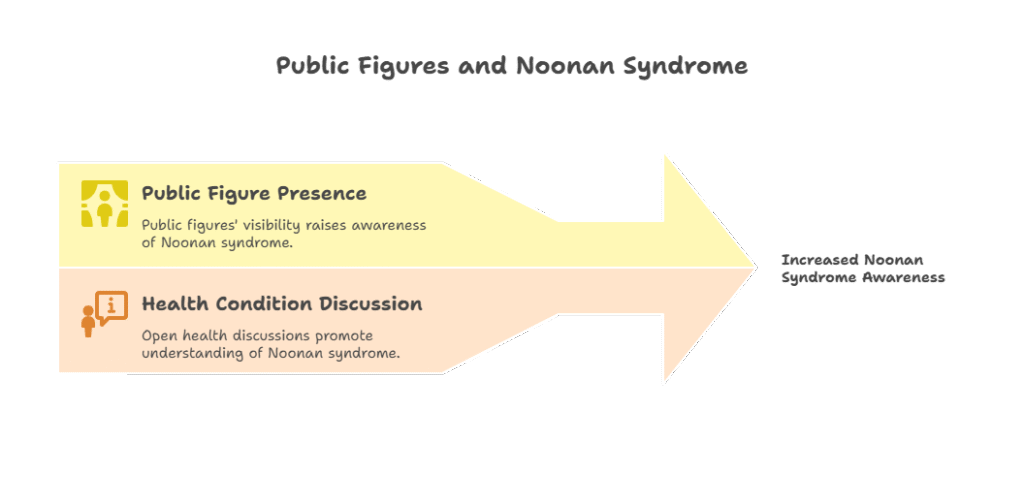
While not all public figures speak openly about their health, several other individuals are believed to have Noonan syndrome or have been associated with Noonan syndrome. Their presence in the public eye contributes to a broader understanding of the condition.
- Linda Hunt: The Academy Award-winning actress, known for her unique presence and powerful performances, has physical characteristics sometimes associated with the syndrome. Her long and successful career in Hollywood, marked by numerous accolades, showcases her immense talent and versatility.
- Jackie Evancho: A classical crossover singer who gained fame on “America’s Got Talent,” Evancho has some physical traits linked to the disorder, such as a petite stature. She has also been open about other health struggles, bringing attention to the importance of health awareness.
The visibility of these celebrities with Noonan syndrome plays a vital role in demystifying the condition. They serve as role models, showing that living with Noonan syndrome does not preclude a life of accomplishment and influence.
Navigating a Career in the Public Eye with a Rare Condition
For public figures with Noonan syndrome, managing a career involves more than just professional demands. It often requires navigating public perceptions, managing health needs, and deciding how to share their personal stories. The scrutiny of public life can add pressure, but it also provides a platform for positive change.
Overcoming Challenges in the Entertainment Industry
The entertainment world often places a high premium on conventional appearances, which can be a significant hurdle for anyone with a condition that affects physical features. However, the individuals highlighted have shown that talent and determination are what truly matter.
- Authenticity as a Strength: Many have embraced their uniqueness, making it a part of their public persona. Tim Burton’s distinct style, for example, is inseparable from his artistic identity.
- Focus on Talent: By consistently delivering high-quality work, these figures have shifted the focus from their appearance to their abilities, proving that their condition is just one aspect of who they are.
- Building Support Systems: A strong network of family, friends, and professional colleagues is crucial for managing the pressures of both a demanding career and a chronic health condition.
The Power of Advocacy and Raising Awareness
When celebrities with Noonan syndrome share their stories, they make a significant impact. Their advocacy efforts help in several ways:
- Reducing Stigma: Open conversations about genetic disorders help normalize them and reduce the stigma that can lead to social isolation and misunderstanding.
- Educating the Public: Many people may not have heard of Noonan syndrome until a public figure they admire speaks about it. This raises general awareness about its symptoms, causes, and the experiences of those affected.
- Inspiring the Community: For families and individuals affected by the condition, seeing successful people who share their diagnosis provides hope and encouragement. It shows them what is possible and reinforces the message that they are not alone.
What Causes Noonan Syndrome and How is it Diagnosed?
Understanding the scientific background of Noonan syndrome provides a deeper context for the experiences of those who live with it. The condition is complex, and ongoing research continues to shed light on its mechanisms.
The Genetic Basis
As a type of RASopathy, Noonan syndrome is caused by mutations in genes that are part of the RAS/MAPK signaling pathway. This pathway is critical for regulating how cells grow, divide, and differentiate. When a gene in this pathway is altered, it can cause the pathway to be overly active, leading to the developmental issues seen in the syndrome.
Scientists have identified mutations in several genes that can cause Noonan syndrome, with the PTPN11 gene being the most common, accounting for about 50% of cases. Other associated genes include SOS1, RAF1, and KRAS.
The Diagnostic Process
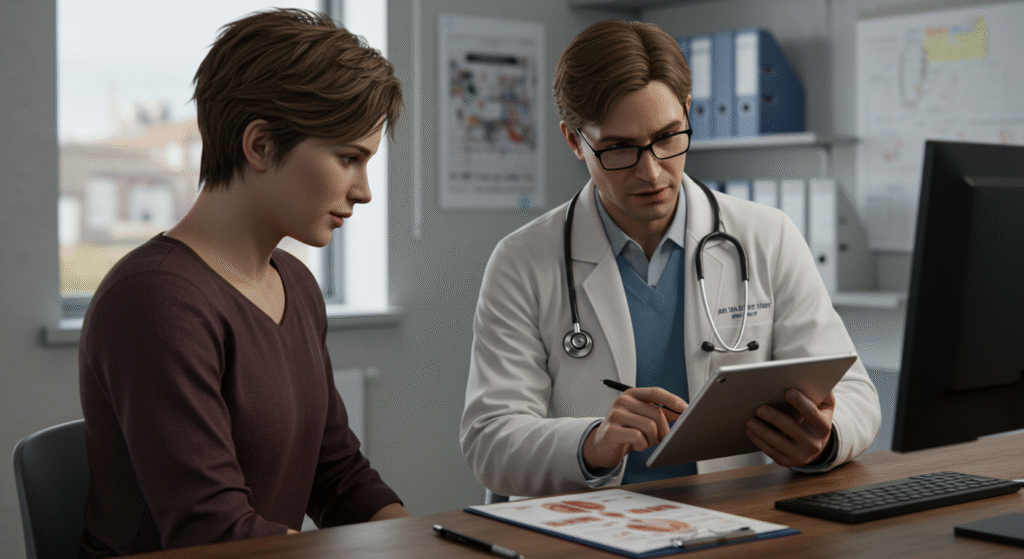
Diagnosing Noonan syndrome is primarily based on clinical evaluation. A doctor will look for the characteristic physical features and check for associated health problems, particularly heart defects. Because the symptoms can be mild and overlap with other conditions, diagnosis can sometimes be challenging.
Genetic testing can confirm the diagnosis by identifying a mutation in one of the known causative genes. However, since not all the genes associated with the condition have been identified, a negative genetic test does not completely rule out a diagnosis if the clinical signs are strong. Early diagnosis is beneficial as it allows for proactive management of potential health issues, such as regular heart monitoring and developmental support.
Frequently Asked Questions About Noonan Syndrome
Here are answers to some common questions that arise when learning about this genetic condition and the celebrities with Noonan syndrome who live with it.
Is Noonan syndrome a form of dwarfism?
While short stature is a common feature of Noonan syndrome, it is not classified as a form of dwarfism. Dwarfism refers to a group of conditions characterized by significantly short stature, whereas Noonan syndrome is a multi-system disorder where height is just one of many potential characteristics.
How does Noonan syndrome differ from Turner syndrome?
Noonan syndrome is often compared to Turner syndrome due to some overlapping features like short stature and a webbed neck. However, they are distinct genetic conditions. Turner syndrome only affects females and is caused by a missing or partially missing X chromosome. Noonan syndrome affects both males and females and is caused by mutations in different genes.
How long can a person with Noonan syndrome be expected to live?
For most individuals, the life expectancy is normal. The primary factor that can affect lifespan is the presence and severity of congenital heart defects. With proper medical care and management of heart conditions, most people with Noonan syndrome lead full and healthy lives.
Can people with Noonan syndrome have children?
Yes, individuals with Noonan syndrome can have children. If they do, there is a 50% chance of passing the genetic mutation on to each child. Fertility can sometimes be affected, particularly in males if they have undescended testicles, but many go on to have families.
The Enduring Legacy of Inspiration
The stories of celebrities with Noonan syndrome offer more than just a glimpse into life with a rare genetic condition. They are powerful narratives of human potential, resilience, and the ability to turn challenges into strengths. Figures like Tim Burton and Michaela DePrince have not only reached the pinnacle of their professions but have also reshaped their industries by bringing their unique perspectives to the forefront.
Their journeys underscore the importance of support, awareness, and celebrating individuality. By sharing their experiences, these public figures help educate the world, inspire families navigating a new diagnosis, and empower a new generation to pursue their dreams without limitation. Their achievements serve as a lasting reminder that a diagnosis is a part of a person’s story, but it never has to be the entire story.