Define the relationship manhwa stands out as one of the most beloved Boys’ Love stories in the Omegaverse genre. Created by writer Flona and artist Chada, this emotional journey explores the complex relationship between two Alpha characters navigating love, duty, and identity. The manhwa has captured readers worldwide with its stunning artwork and psychological depth.
| Key Information | Details |
| Title | Define the Relationship |
| Genre | • Boys’ Love (BL)• Omegaverse• Alpha x Alpha• Psychological Romance |
| Status | • Main story completed (98 chapters)• Side stories ongoing |
| Main Characters | • Karlyle Frost (Non-dominant Alpha)• Ash Jones (Alpha) |
| Themes | • Identity vs. duty• Mental health• Social class conflict• Emotional vulnerability |
This psychological manhwa delves deep into themes rarely explored in traditional BL stories, making it a must-read for fans seeking mature content with emotional complexity.
What Makes Define the Relationship Manhwa Unique
The define the relationship manhwa breaking conventional Omegaverse storytelling by featuring an Alpha x Alpha pairing. Unlike typical Alpha-Omega dynamics, this story explores how two strong personalities navigate vulnerability and emotional intimacy. The psychological themes woven throughout the narrative address real issues like anxiety, family pressure, and identity crisis.
Karlyle Frost, born into nobility as a non-dominant Alpha, faces enormous pressure to continue his family’s bloodline. His inability to form meaningful connections with Omegas leads him to seek unconventional solutions. The story’s exploration of mental health within fantasy settings creates a relatable experience for readers dealing with similar struggles.
The Complex Characters of Define the Relationship
Karlyle Frost: The Reluctant Heir
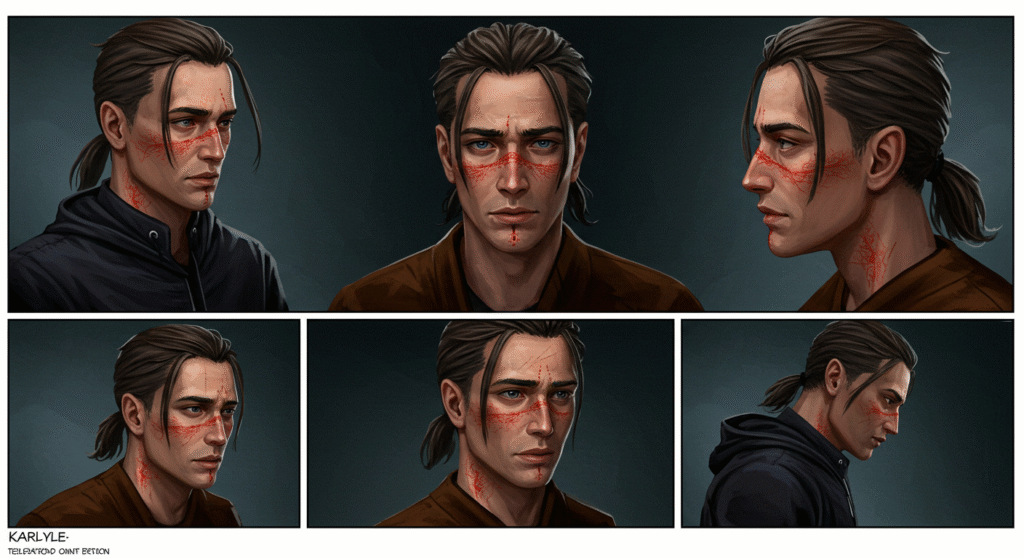
Karlyle represents the struggle between personal desires and family expectations. As a non-dominant Alpha from a noble family, he carries the burden of continuing the Frost lineage despite his emotional limitations. His character development throughout the series showcases a journey from repression to self-acceptance.
The psychological strain Karlyle experiences manifests in his inability to form intimate connections, a condition his family views as dysfunction rather than emotional protection. His interactions with contracted Omegas feel transactional and empty, leading to his desperate search for genuine connection.
Ash Jones: The Catalyst for Change
Ash brings warmth and spontaneity to Karlyle’s structured world. Their six-year-old New Year’s kiss becomes the foundation for their complex relationship. Ash’s character balances romantic idealism with a practical understanding of their societal constraints.
Unlike Karlyle, Ash embraces his emotions openly, creating tension and growth opportunities throughout their relationship. His ability to see beyond social expectations helps Karlyle question his own limiting beliefs about love and duty.
Breaking Down the Three Seasons
Season 1: Foundation and Attraction (Chapters 1-23)
The opening season establishes the define the relationship manhwa’s core premise. Karlyle’s family doctor suggests he find an Alpha partner to overcome his psychological barriers. This unconventional therapy leads him to Ash, creating their initial contractual arrangement.
Their early interactions blend awkwardness with undeniable chemistry. The season focuses on building tension while exploring Karlyle’s internal struggles with his sexuality and family expectations. Each weekend meeting brings new revelations about their compatibility beyond physical attraction.
The art during this season emphasizes the contrast between Carlyle’s rigid world and Ash’s fluid approach to life. Subtle details in their body language reveal growing emotional intimacy despite their “no feelings” agreement.
Season 2: Emotional Turmoil (Chapters 24-58)
Season 2 delivers the story’s emotional climax through heartbreak and misunderstanding. Karlyle’s attempt to express gratitude through a rare painting backfires when he overhears Ash dismissing their relationship. This devastating moment triggers his retreat into emotional isolation.
The narrative shifts to Ash’s perspective, revealing his true feelings and the depth of his attachment to Karlyle. This storytelling technique adds layers to their relationship while showing how miscommunication can destroy budding love.
Karlyle’s metaphor of “returning to winter after feeling the sun” perfectly captures the season’s emotional weight. The psychological exploration deepens as both characters grapple with vulnerability and fear of rejection.
Season 3: Resolution and Growth (Chapters 59-98)

The final season brings catharsis through honest communication and emotional maturity. Their reunion at Karlyle’s engagement party forces both characters to confront their true feelings. Karlyle’s attempt to fulfill family duty crumbles when faced with genuine love.
His mother’s decision to cancel the engagement symbolizes generational healing and the possibility of choosing love over obligation. The season balances moments of levity with profound emotional depth, creating a satisfying resolution to their journey.
The New Year’s Eve finale comes full circle, with Ash finally remembering their first kiss and calling Karlyle “my lovely Lyle.” This moment represents complete acceptance and the promise of their future together.
Also Read Riley Wraith The Good Girl
Omegaverse Dynamics and Social Commentary
The define the relationship manhwa using Omegaverse settings to explore real-world issues like class discrimination, arranged marriages, and social expectations. The Alpha-Beta-Omega hierarchy mirrors societal pressures many readers face regarding career, relationships, and family obligations.
Karlyle’s struggle as a “subpar Alpha” reflects feelings of inadequacy many experience when failing to meet societal standards. The story’s treatment of inhibitors and their side effects serves as a metaphor for how families sometimes harm children while trying to “fix” them.
The psychological themes address mental health stigma within rigid social structures. Karlyle’s “dysfunction” diagnosis highlights how society pathologizes emotional responses to trauma and pressure.
Artistic Excellence and Visual Storytelling
Chada’s artwork elevates the define the relationship manhwa beyond typical BL visuals. The floral motifs symbolize blooming emotions, while detailed facial expressions convey complex psychological states. The contrast between broad-shouldered Alpha physiques and tender emotional moments creates visual poetry.
The mature content integrates seamlessly with emotional storytelling, making intimate scenes feel meaningful rather than gratuitous. The artist’s attention to body language and subtle details enhances character development throughout the series.
Color palettes shift with emotional tones, using warm hues for tender moments and cooler tones during conflict. This visual language helps readers connect with character emotions on a deeper level.
Themes of Identity and Mental Health
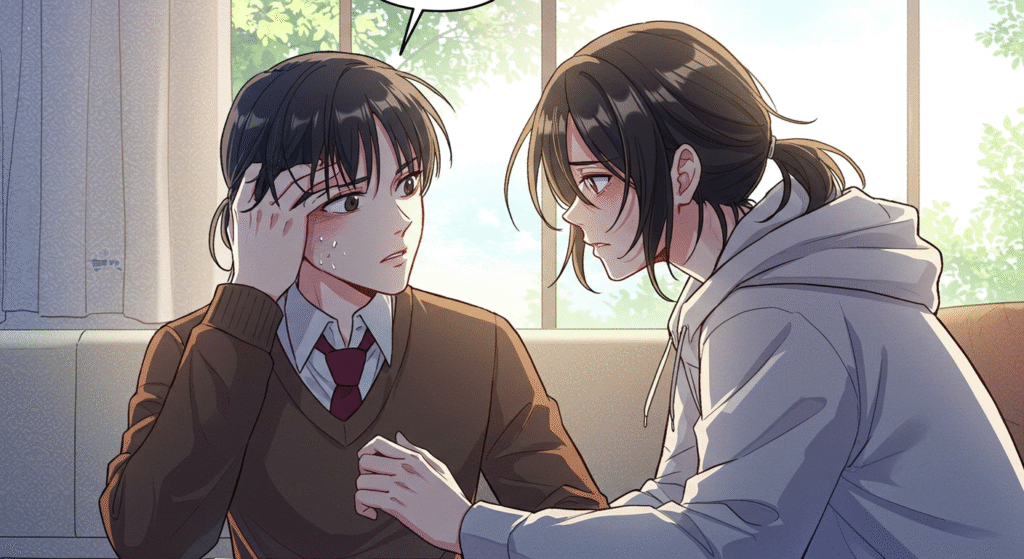
Mental health representation in the define the relationship manhwa deserves special recognition. Karlyle’s anxiety, self-doubt, and emotional repression reflect real psychological struggles. The story avoids romanticizing mental health issues while showing realistic paths to healing through therapy and supportive relationships.
The exploration of identity versus duty resonates with readers facing similar conflicts between personal happiness and family expectations. Karlyle’s journey from emotional numbness to vulnerability demonstrates that healing requires courage and support.
The manhwa’s treatment of trauma and its effects on relationships provides valuable insights into how past experiences shape present behavior. Both main characters carry emotional wounds that require understanding and patience to heal.
Cultural Impact and Reader Reception
Since its completion, the define the relationship manhwa has influenced other BL creators to explore deeper psychological themes. Its success proves readers crave mature content that addresses real emotional struggles alongside romantic fantasy.
The series has spawned extensive fan communities discussing its themes, characters, and cultural significance. Reader analyses often focus on the story’s realistic portrayal of trauma recovery and healthy relationship development.
International translations have brought the manhwa to global audiences, with many praising its sensitive handling of mental health topics within fantasy settings.
Side Stories and Extended Universe
The completed main story continues through side stories that explore secondary characters and expand the world-building. These additional chapters provide closure for supporting characters while maintaining the quality of the original narrative.
The prequel novel “Eggs Benedict,” focusing on Kyle and Nicholas, adds context to events referenced in the main story. While not officially translated, this backstory enhances understanding of family dynamics and character motivations.
Future releases may continue exploring this universe, given the strong reader demand and rich world-building established in the original series.
Reading Guide and Content Warnings
New readers should prepare for mature themes, including psychological trauma, family pressure, and explicit content. The story handles these topics respectfully but doesn’t shy away from their emotional impact.
The pacing builds slowly, focusing on character development over action. Readers expecting typical BL tropes may find the psychological depth surprising and rewarding.
Content warnings include references to emotional manipulation, family dysfunction, and mental health struggles. However, the story ultimately promotes healing, communication, and healthy relationship dynamics.
Critical Analysis and Literary Merit
The define the relationship manhwa succeeds as both entertainment and artistic expression. Its exploration of psychological themes through fantasy elements creates accessible discussions about real-world issues.
The character development follows realistic arcs, avoiding sudden personality changes for plot convenience. Both main characters grow throughout the story, learning to communicate effectively and support each other’s emotional needs.
The resolution feels earned rather than forced, with both characters making concrete changes to create their happy ending. This realistic approach to relationship building sets the manhwa apart from stories that rely on passion alone.
Why Define the Relationship Manhwa Matters
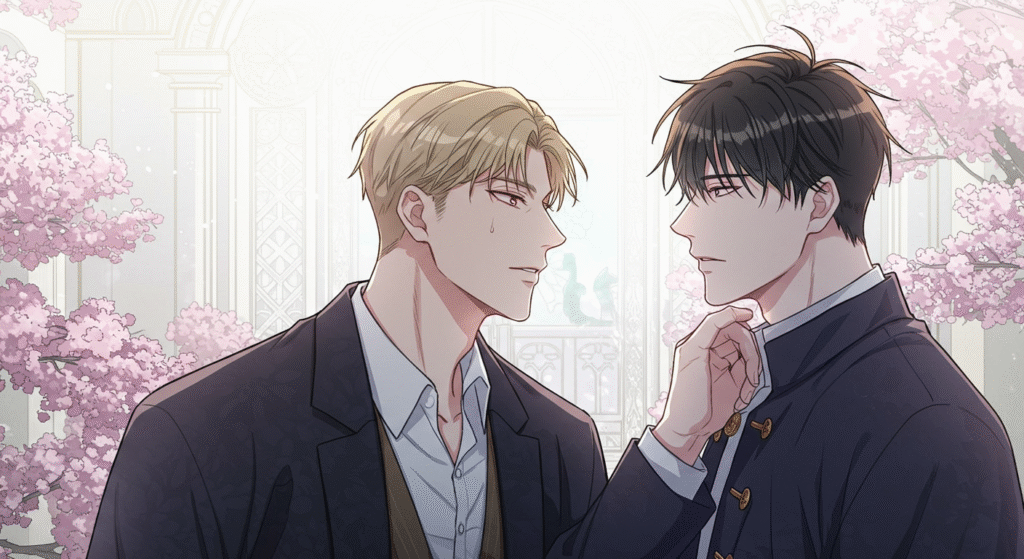
This manhwa represents evolution in BL storytelling, moving beyond surface-level romance to explore complex human emotions and relationships. Its success demonstrates readers’ appetite for mature, psychologically nuanced content within fantasy settings.
The story’s treatment of mental health, family pressure, and identity crisis provides representation for readers facing similar struggles. By placing these issues within an Omegaverse framework, the manhwa makes difficult topics more approachable.
The define the relationship manhwa proving that genre fiction can address serious themes without losing entertainment value. Its balance of romance, psychology, and social commentary creates a reading experience that resonates long after the final chapter.
Final Thoughts:
Define the relationship manhwa stands as a masterpiece of contemporary BL storytelling, combining stunning artwork with profound emotional depth. Its exploration of love, identity, and healing through the lens of Omegaverse dynamics creates a unique reading experience that has captured hearts worldwide.
For readers seeking mature content that respects both fantasy elements and real human emotions, this manhwa offers an unforgettable journey. The completed story provides satisfying closure while leaving room for continued exploration through side stories and related works.
Whether you’re drawn by the beautiful art, complex characters, or psychological themes, the define the relationship manhwa delivers on every level, establishing itself as essential reading for BL enthusiasts and anyone interested in thoughtful, emotionally resonant storytelling.